


Email(FOR EMPLOYERS)
marketing@talent-spot.com.cn


Consult
What are you looking for?
In a coffee shop in Shanghai's Xujiahui district, Mike—the co-founder of an AI startup based in Silicon Valley—frowned at his phone screen. He urgently needed to hire a local AI algorithm engineer in China but felt utterly overwhelmed by the complexities of employment regulations. "I can develop a prototype product in two weeks, but I can't figure out how to calculate China's social insurance and housing fund," he said with a wry smile to his potential business partner during their meeting.
Meanwhile, Matsumoto Industries, a precision instrument manufacturer in Tokyo, faced a similar talent challenge. They discovered that demand in the Chinese market far exceeded expectations and urgently needed to assemble a local technical service team. However, everything from labor contracts and social insurance contributions to personal income tax calculations and employee management represented uncharted legal territory.
This is the common dilemma faced by global companies entering the Chinese market: the talent is right there, but the regulatory framework seems like an insurmountable barrier.
EOR: Untying the Gordian Knot of International Employment
As globalization advances inexorably, the challenge of compliantly and efficiently leveraging talent across different legal jurisdictions has become a core issue for multinational enterprises. It is in this context that the professional service model of Employment of Record (EOR) has emerged as an "intelligent bridge" connecting global talent with corporate needs.
The core concept of EOR is straightforward: a professional service provider acts as the legal employer, assuming all employer obligations and responsibilities, while the client company focuses on business guidance and value creation. It is like equipping a multinational enterprise with a "localized avatar"—maintaining the agility of global operations while ensuring compliance in local markets.
The "Invisible" Employer with Tangible Efficiency
Take the example of a Seattle-based e-commerce company looking to quickly assemble a team in China: through the EOR model, they can have a fully compliant local team within two weeks, bypassing the months-long processes of company registration, bank account setup, and social insurance enrollment.
This model creates triple value:
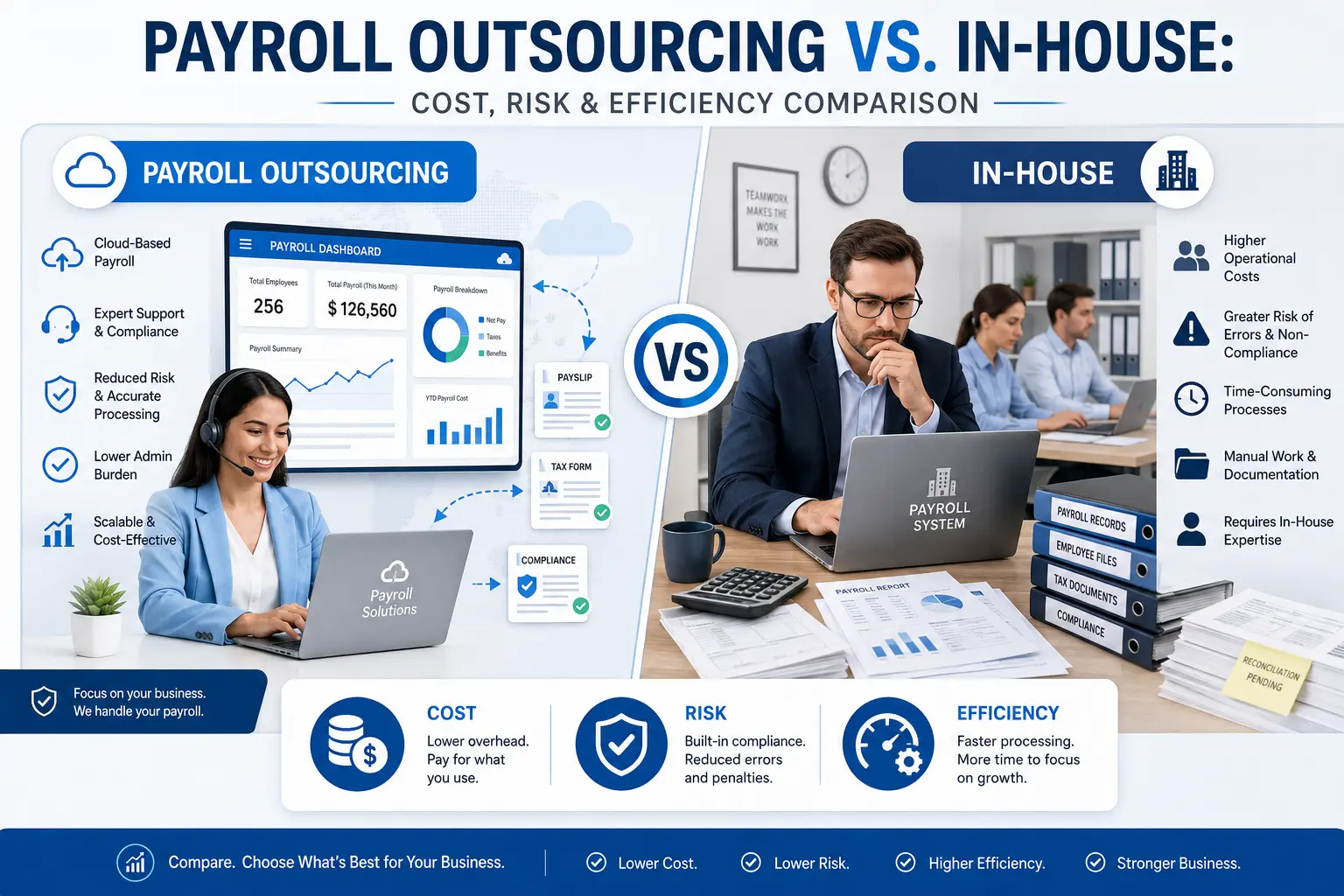
Compliance Assurance: As the legal employer, the EOR provider assumes all legal responsibilities, including labor contract management, payroll processing, social insurance and housing fund contributions, personal tax filing, and labor risk prevention—building a solid compliance firewall for the company.
Efficiency Revolution: Companies are liberated from cumbersome administrative tasks. The time from recruitment to onboarding can be shortened from months to weeks, truly achieving "hire and deploy."
Cost Optimization: Companies avoid the high costs of establishing legal entities for short-term or experimental projects. Instead, they can utilize resources on-demand and adjust flexibly, significantly reducing the trial-and-error costs of market entry.
From "Talent Islands" to a "Global Talent Network"
Mr. Yamada, CEO of a Tokyo-based robotics company, experienced this firsthand: "Through TalentSpot International, our EOR partner, we quickly assembled a 20-person R&D team in Beijing. From the first engineer's onboarding to the team delivering the first product prototype, it took only three months. This kind of speed was unimaginable in the past."
More importantly, EOR not only solves the "entry" problem but also optimizes the "operational" experience. Professional EOR providers offer localized employee care, cultural integration support, and even assistance in resolving labor disputes, ensuring stable and efficient team operations.
Talent Strategy Choices in the New Era of Globalization
In today's world of increasingly fluid talent movement, a company's competitiveness increasingly depends on its ability to acquire and utilize global talent. The EOR model is becoming a critical component of corporate globalization strategies, enabling companies to:
Rapidly Test New Markets: Validate business models with minimal cost and risk.
Flexibly Allocate Resources: Quickly assemble or adjust teams based on project needs.
Focus on Core Value: Concentrate energy on business innovation rather than administrative tasks.
Reduce Compliance Risks: Avoid legal pitfalls in cross-border employment under professional guidance.
"It's like installing a compliant 'autopilot system' for our global expansion," commented an executive at a U.S. tech company that successfully entered the Chinese market through EOR. "We can focus on expanding our market without worrying about 'violating traffic rules' in unfamiliar legal environments."
Conclusion: Connection Matters More Than Ownership
In today's deeply globalized world, corporate talent strategies are undergoing a fundamental shift—from "owning employees" to "connecting talent." EOR is a key enabler of this transformation, allowing companies to transcend geographical and legal boundaries and build truly global talent networks.
When considering entry into the Chinese market or any new international market, perhaps the question should not only be "how to set up a company" but also "how to most efficiently connect with local talent." In this rapidly changing era, companies that can agilely and compliantly leverage global talent will hold an unparalleled competitive advantage.
After all, on the global stage, the most successful players are not necessarily those with the most employees but those best at connecting and utilizing global wisdom.